



Moving into a freshly painted home feels exciting until furniture brushes against spotless walls. Fresh paint often suffers from quick scratches, dents, or scuffs during heavy lifting and tight turns. Each mark ruins the finish and wastes the effort you invested in painting. Many homeowners end up repainting sections within days of moving in. That wastes money and time that could go toward settling comfortably. To avoid moving damage to newly painted walls, smart preparation and mindful handling make all the difference. With this in mind, planning your move carefully protects both your investment and your mood. Taking preventive steps before moving day keeps your walls flawless and your home looking new.
Fresh Paint Meets Moving Day: A Common Homeowner Challenge
Moving into a home with new paint feels exciting, but every box or chair poses a risk to those perfect walls. Even one slip can cause scratches, dents, or scuffs that ruin your hard work. Fresh paint marks easily because it still needs time to harden. However, a little awareness can stop major frustration later. You should plan before lifting heavy items near painted surfaces.
Cover the corners, wrap furniture, and move slowly through narrow spaces. Small precautions prevent hours of repainting. Think of every careful step as protecting your effort and money. A few minutes of preparation can make sure your walls stay spotless long after moving day.
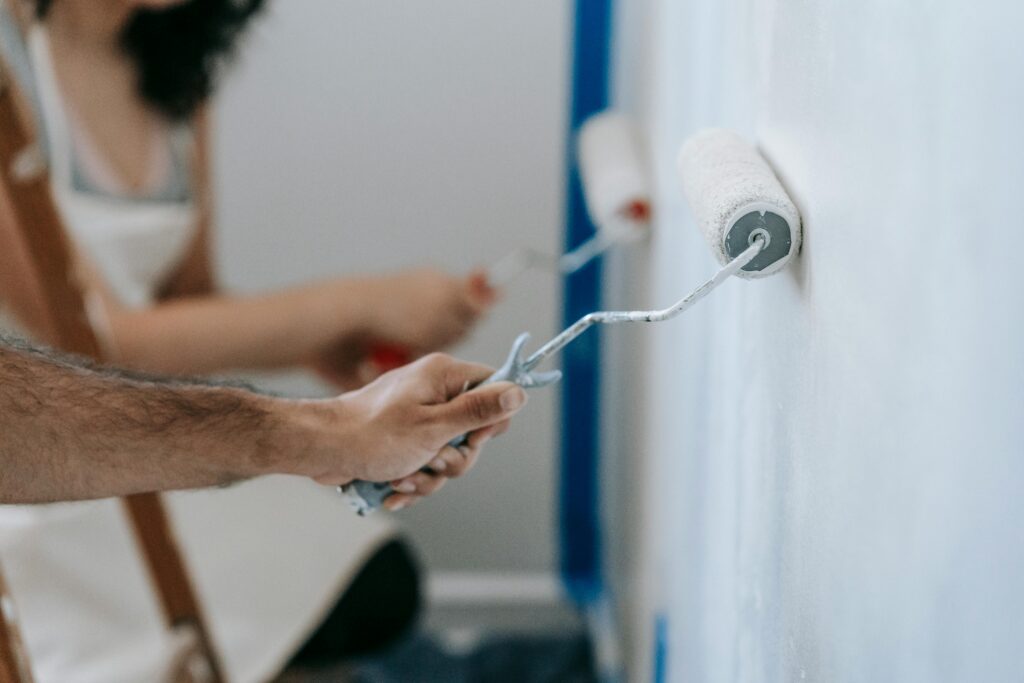
Freshly painted walls face the biggest risks during moving day—plan to keep them flawless.
Timing Is Everything: Let the Paint Fully Cure
Paint may feel dry after a few hours; however, it still needs time to harden completely. Moving furniture too soon can cause dents or stuck spots that ruin the surface. Wait at least five to seven days before arranging furniture near painted walls. Test readiness by pressing a fingertip gently in a hidden spot—no mark means it’s safe. Keep windows open to help the paint breathe.
Try to avoid hanging pictures or décor right away. Let the paint settle first to prevent peeling or cracking. Timing makes a difference between long-lasting walls and repeated touch-ups. Patience during those first few days ensures your color stays bright and even for years.
After the Move: Clean, Touch Up, and Inspect
Once your belongings arrive, focus on a smooth and careful unpacking process to protect your freshly painted walls. Before opening every box, plan where larger items and furniture will go to avoid unnecessary shifting later. Taking the time to plan and carefully manage setting up your new space can prevent accidental wall damage and make your home feel immediately comfortable. Therefore, try organizing before unpacking to create a logical flow — sort boxes by room and start with the most frequently used spaces. Unpacking room by room also helps you stay organized, and prioritizing rooms like the kitchen or bedroom ensures you settle in comfortably without cluttering hallways or scraping furniture against the walls.
As you move items into place, use felt pads under heavy furniture and carry pieces instead of dragging them. Work in bright daylight or use a flashlight to check for any scuffs, dents, or smudges that might appear. If you notice light marks, gently clean them with a soft cloth and mild soapy water. Avoid harsh scrubbing that can dull the finish. In addition, keep some leftover paint handy for quick touch-ups — a small brush or sponge helps blend new paint seamlessly. Regular checks and small fixes will help maintain your home’s polished look long after moving day.
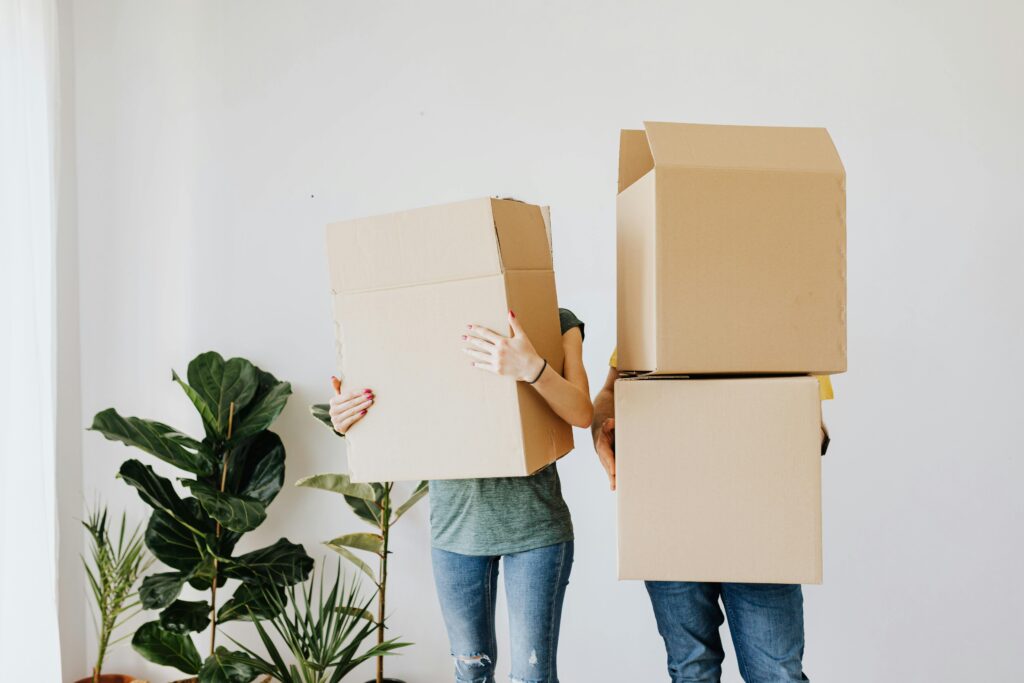
Inspect walls under bright light, clean gently, and use leftover paint for quick touch-ups to avoid moving damage to newly painted walls.
How to Avoid Moving Damage to Newly Painted Walls
Careful preparation keeps paint safe during moving day chaos. Cover furniture corners and wrap edges with thick blankets or bubble wrap. Use moving straps for heavy pieces to avoid scraping against the walls.
As a matter of fact, door frames and narrow halls often cause the worst damage, so protect them with cardboard guards. Use furniture sliders under heavy items for easier movement. Label boxes clearly to reduce confusion during unloading. Plan every route before lifting anything to limit wall contact. Each precaution adds protection and saves time on repairs later. Moving carefully keeps your walls spotless and your home ready for settling in.
Plan the Path: Measure, Map, and Move Smart
Measure doorways, stairs, and hallways before moving boxes to avoid damage to newly painted walls. Oversized furniture can easily nick corners or scrape paint. Then again, mapping the path helps you see obstacles early. Clear clutter and remove wall décor to create open space for movers. Use painter’s tape to mark safe zones or turns.
Skipping this step often leads to rushed decisions and wall damage. A well-planned path saves time and avoids frustration. Have one person guide while others carry—teamwork matters. Every step of planning reduces stress and keeps your freshly painted walls in great shape.

Measuring doorways and mapping safe routes helps furniture glide through without wall damage.
Wrap, Pad, and Protect Every Piece
Proper wrapping protects both your furniture and your walls. Thick blankets, foam padding, and corner protectors shield sharp edges from impact. Besides, wrapping prevents dust and paint transfer between surfaces. Use stretch wrap to secure loose drawers or handles. Mark fragile items clearly for extra care during transport. Wrap mirrors, frames, and lamps separately to prevent accidental bumps. Preparation before moving day keeps everything cleaner and safer. In short, well-protected items glide through the house without harming your freshly painted walls.
Team Coordination: Communication Prevents Accidents
Moving safely depends on clear communication. In fact, a study of occupational injuries in household moving work published by the National Library of Medicine found that among 392 recorded moving-related accidents, the most common high-risk incidents occurred during manual materials handling (lifting/slipping), loading/unloading, and falls from heights.
As better planning and coordination could reduce these risks, discuss wall protection and lifting plans with everyone before you begin the move. Assign roles so each person knows exactly what to manage—whether that’s turning, sliding, or steadying. Use short verbal signals like “stop” or “turn” while shifting heavy items—Mark doorways with room names to guide traffic flow and prevent missteps.
Never leave navigation to chance. One person should act as the guide, giving directions while others follow. Without coordination, confusion can arise in tight passages or around corners, leading to bumps, scuffs, or paint damage. When communication is calm, consistent, and clear, teamwork ensures your move stays safe, steady, and damage-free.
Mind the Corners and Edges
Corners face the most danger during moving day. Sharp furniture edges or large boxes often scrape them first. In contrast, using corner guards made from foam or cardboard prevents contact entirely. Tape them securely to stay in place throughout the move. Keep watch for tight hallway turns and stair landings. Lift furniture at angles instead of dragging it.
Even small moves need careful handling near edges. Protecting corners helps maintain a fresh look across your home. Consistent attention keeps your walls smooth, bright, and free from unnecessary scratches.
Keep Your Freshly Painted Walls Flawless
Taking time to plan and protect during your move helps you avoid moving damage to newly painted walls. Each careful step—from wrapping furniture to organizing unpacking—keeps your home looking fresh. Smart choices today save effort tomorrow. Protect your investment, enjoy spotless walls, and settle confidently into your beautifully painted home.