


Preparing your new place helps you settle in with confidence. This contrasts with rushing through repairs at the last minute. Small wall flaws may look minor, but often grow into larger issues. When you handle wall imperfections before moving into a new home, you protect your investment. Clean surfaces first. Check each room under bright light. Chipped paint or dents can signal deeper problems. Take time to assess each mark. Fix every flaw early because your walls set the tone for your space. A focused approach gives you a fresh, ready home on move-in day.
Identify the Cause of Each Imperfection
You understand your walls better once you inspect each flaw with patience. Cracks often tell a story through their length and direction. Study them closely so you can decide what they mean. Look for moisture rings. Water creates stains that spread slowly but steadily. Not every discoloration comes from a leak, so test the area before you commit to repairs. Nail pops near framing often point to shifting lumber or seasonal pressure. These small bumps help you track movement throughout the home. Structural lines stretch across wide surfaces. Lighter cracks stay short. Each sign gives you clues about the home’s condition. After you identify the cause, you can choose smarter solutions.

Inspect cracks and stains closely to understand what caused each flaw.
Gather the Right Tools for Effective Repairs
A well-prepared toolkit simplifies every repair task, so gather your supplies before you start. Putty knives, sandpaper, primer, filler, and a reliable ladder should stay within easy reach. Flashlights help you see flaws from side angles, which often reveal what overhead lighting hides. Keeping everything in one spot saves time and reduces frustration. A microfiber cloth also helps you manage dust between steps. Store tools neatly so you never waste minutes searching for something you need. Replace worn tools ahead of time so you always work with equipment that performs well. Good organization supports better results, steadier progress, and a cleaner repair process throughout the entire project.
Repair Cracks and Holes with Proper Technique
Some flaws respond quickly to basic steps, while others need more structure and patience. Hairline cracks usually fix well with a small amount of compound. Larger gaps benefit from mesh tape that adds strength and prevents the crack from reopening. Shaping each layer while it remains soft gives you far smoother results later. Holes from impacts often need multiple layers to rebuild the surface. Smooth each coat carefully and let it dry fully before adding more. As a result, sanding becomes easier and the final texture blends well with the rest of the wall. Always inspect your work under good lighting so you see every ridge or shadow. Consistent technique creates cleaner, stronger repairs that hold up over time.
Decide When to Call a Professional to Handle Wall Imperfections Before Moving Into a New Home
You sometimes reach a point where expert help becomes the smartest choice. Deep cracks, spreading stains, or repeated moisture marks often point to conditions that deserve a trained eye. A professional can diagnose the cause quickly and explain your options in clear terms. At any rate, this guidance becomes even more valuable when you start managing unexpected delays that affect your timeline. You may face scheduling pressure while deciding how to handle a move when your new home isn’t ready yet, so reliable support matters. Collect several quotes to compare services and choose someone who respects your plans. A skilled repair approach protects your investment and helps you settle in with far fewer surprises.

Consult a repair expert when deeper wall issues need trained support.
Smooth the Surface for a Flawless Finish
Once repairs dry, smoothing becomes the step that matters most. Light pressure during sanding keeps the wall from developing swirl marks or dips. Run your hand across the patch so you can feel uneven spots as well as see them. In the meantime, use angled lighting to highlight subtle bumps that overhead lights may hide. Larger areas sometimes need a thin skim coat to create a continuous texture. Remove sanding dust with a clean cloth so the primer adheres well. All things considered, steady attention during this stage determines how clean your final paint coat will look. Smooth surfaces support even color, making your new home appear fresh and carefully maintained.
Level patched spots to achieve a smooth surface after handling wall imperfections before moving into a new home.
Prime and Paint Walls for Even Coverage
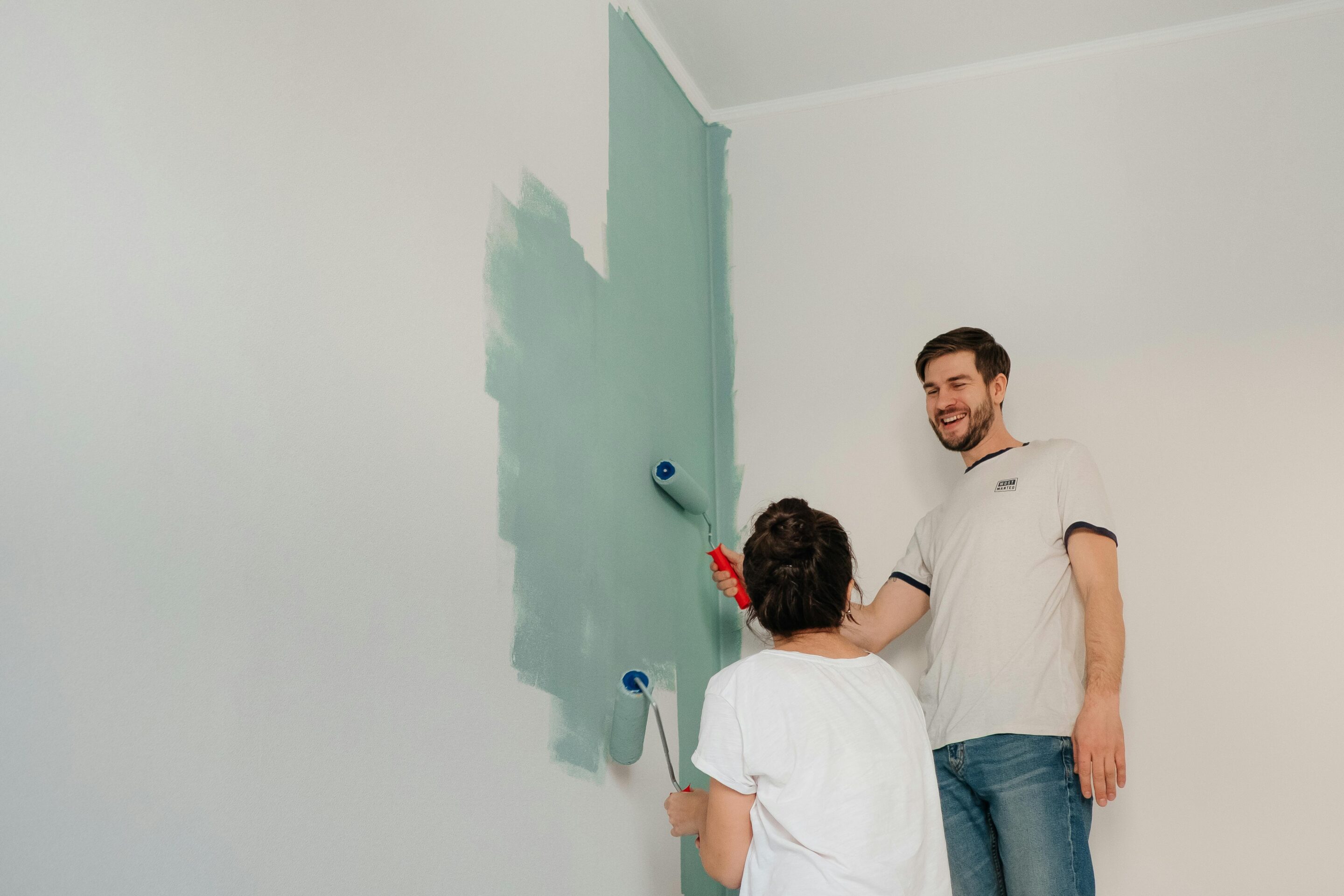
Primer creates the foundation for consistent color, so apply it before your first coat of paint. Work in small sections so your strokes stay controlled and even. Use a roller for wide areas and a brush for trim or corners. To clarify, natural light often reveals imperfections you might overlook under warm bulbs, so check both. Keep your painting pace steady so the finish dries without streaks. Let the first coat dry completely before applying the second. In the end, this patience produces richer color and a cleaner overall appearance. Fresh paint sets the tone for your new space and helps every room feel ready for daily living.
Prevent Future Wall Imperfections
If you want to successfully handle wall imperfections before moving into a new home, you should start with consistent observation. Keep humidity at a comfortable level since large fluctuations often lead to cracking. Fix leaks quickly so moisture never spreads across corners or ceilings. Door stops protect walls from sudden impacts, while furniture pads help prevent dents during daily activity. For example, high-traffic areas near hallways benefit from extra attention during routine cleaning. Pets can scratch low surfaces, so offer alternatives that keep them away from fragile spots. After each season change, check the walls again for fresh marks or unusual lines. In summary, steady habits reduce the time you spend repairing damage and help your walls stay clean and stable year-round.
Bringing Your Wall Prep to a Strong Finish
A focused approach helps you create a steady plan as you handle wall imperfections before moving into a new home. You protect your space once you address cracks, dents, and stains with care. Clear steps guide you toward a solid result. Each action supports a smoother move-in. You set up a home that feels ready, strong, and comfortable from the start.